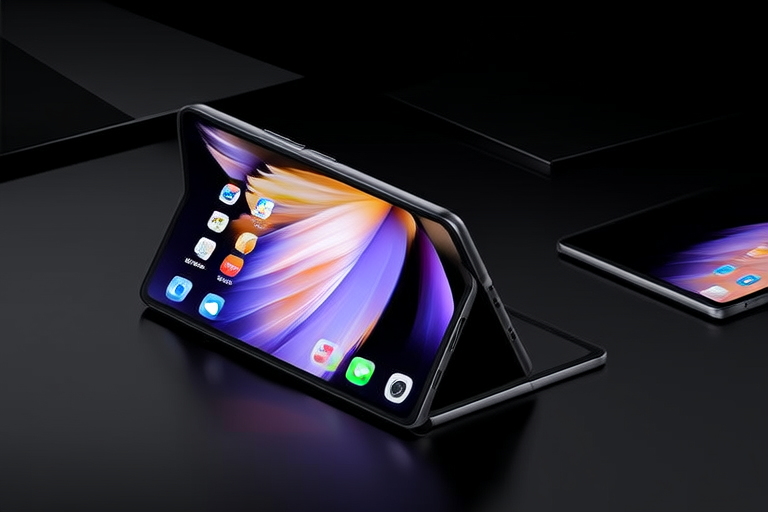

Exploring the Impact of Foldable Phones on the Tablet Market
Introduction
Foldable phones, once considered a futuristic concept, have rapidly gained popularity in recent years. These devices, featuring flexible screens that can be folded or unfolded, offer a new dimension in mobile technology. As the market for foldable phones grows, it raises intriguing questions about its potential impact on the tablet market. Tablets have long been favored for their larger screens and versatile functionalities, but foldable phones are poised to challenge this dominance.
In this article, we will explore the evolution of foldable phones, their key features, and how they are reshaping the landscape of mobile devices. We’ll delve into the ways foldable phones could potentially cannibalize the tablet market, examine consumer behavior and preferences, and speculate on future trends and predictions.
1. Evolution of Foldable Phones
The journey of foldable phones began with early prototypes and concepts in the late 2000s. However, it wasn’t until 2019 that major tech companies like Samsung and Huawei introduced commercially viable models. The Samsung Galaxy Z Fold and Huawei Mate X were among the first to capture public attention.
Advancements in flexible OLED displays, hinge mechanisms, and software optimizations have made foldable phones more practical and reliable. These technological breakthroughs have allowed manufacturers to create devices that can withstand daily use while offering a seamless experience across different display modes.
2. Key Features of Foldable Phones
Foldable phones stand out with their unique features, such as flexible screens that can be folded in half. This design allows for a compact device when folded and a larger display when unfolded. Users can enjoy a tablet-like experience without the bulkiness.
One of the standout features is the ability to operate in dual-display mode, where both screens can be used simultaneously. This feature enhances productivity by enabling multitasking, making foldable phones a compelling alternative to traditional tablets.
While foldable phones offer many advantages, they also come with trade-offs. The folding mechanism adds complexity, and the larger screens can be more fragile. Nonetheless, advancements in materials and manufacturing processes are helping to mitigate these issues.
3. Impact on the Tablet Market
The rise of foldable phones poses a significant threat to the tablet market. As these devices become more affordable and user-friendly, they could attract consumers who previously relied on tablets for tasks like reading, browsing, and watching videos.
For instance, foldable phones excel in productivity tasks such as document editing and video conferencing. Their ability to transition between phone and tablet modes makes them versatile enough to replace tablets in many scenarios. However, tablets still hold an advantage in niche areas such as gaming and professional graphic design, where larger screens and specialized hardware are essential.
4. Consumer Behavior and Preferences
Consumer preferences vary widely based on factors like screen size, portability, and functionality. Younger generations, particularly millennials and Gen Z, tend to favor devices that offer both portability and large screens. They are more likely to adopt foldable phones due to their innovative design and enhanced capabilities.
On the other hand, older generations may prefer the simplicity and ease of use offered by traditional tablets. Cost considerations also play a role, as foldable phones are currently more expensive than standard smartphones and tablets.
5. Future Trends and Predictions
The future of foldable phones looks promising, with ongoing advancements in screen technology, battery life, and durability. Manufacturers are likely to continue refining the design and performance of these devices, making them even more appealing to consumers.
As foldable phones become more prevalent, we can expect a shift in market share between these devices and tablets. While tablets may retain their niche appeal, foldable phones are set to gain ground in mainstream markets. Manufacturers will need to adapt their strategies to meet evolving consumer demands, focusing on improving user experience and addressing concerns about durability and cost.
Conclusion
In conclusion, foldable phones represent a significant innovation in mobile technology, with the potential to reshape the market dynamics between smartphones and tablets. Their unique features and versatility make them a compelling choice for many users, particularly those seeking a balance between portability and large-screen functionality.
While tablets will continue to find a place in specific niches, the growing popularity of foldable phones suggests a gradual erosion of the tablet market. The future of both devices lies in coexistence, with each catering to different segments of the consumer base.
References
This article draws on insights from industry reports, expert analyses, and consumer surveys. For more detailed information, refer to the following sources:
- Industry Reports on Foldable Phone Market Growth
- Expert Opinions on Mobile Device Trends
- Consumer Surveys on Screen Size Preferences