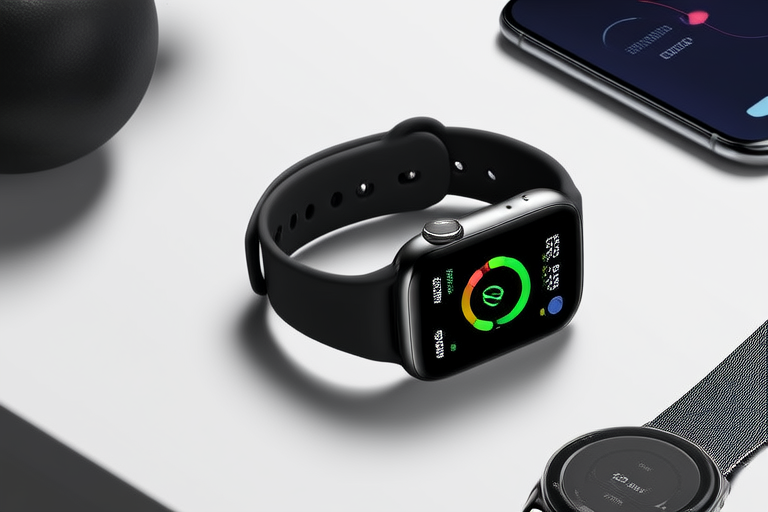

From Smartwatches to Fitness Trackers: Navigating the World of Wearables
Introduction
Wearable technology has rapidly evolved from niche gadgets to indispensable companions in our daily lives. Devices such as smartwatches and fitness trackers have become increasingly popular, offering a wide range of functionalities that enhance convenience, health monitoring, and personal productivity. This article explores the diverse landscape of wearables, delving into their origins, current applications, and future prospects.
Understanding Wearable Technology
What is Wearable Technology? Wearable technology refers to electronic devices that can be worn on the body, either as accessories or integrated into clothing. These devices are designed to interact with the environment, providing users with real-time information and enhancing their overall experience.
A Brief History: The journey of wearables began with simple pedometers and heart rate monitors, evolving into sophisticated smartwatches and fitness trackers. Early prototypes were bulky and limited in functionality, but advancements in miniaturization and connectivity have led to sleeker designs and more robust features.
Variety of Wearables: Today, the market offers a wide array of wearables, including smartwatches, fitness bands, health monitors, and even smart clothing. Each type serves different purposes, catering to various needs, from casual users to professional athletes.
Smartwatches
Definition and Primary Functions: Smartwatches are wrist-worn devices that function much like smartphones, offering notifications, app integration, GPS, and payment systems. They serve as an extension of your smartphone, providing quick access to essential information.
Key Features:
- Notifications: Receive alerts for emails, messages, and social media updates directly on your wrist.
- App Integration: Access a variety of apps, from weather forecasts to navigation tools.
- GPS: Track your location and monitor outdoor activities.
- Payment Systems: Make contactless payments through integrated NFC technology.
Popular Brands and Models: Leading brands include Apple Watch, Samsung Galaxy Watch, and Fitbit Sense. Each model comes with unique features tailored to specific user preferences.
Benefits: Smartwatches offer unparalleled convenience, allowing users to stay connected without reaching for their phones. Additionally, they provide valuable health insights, such as heart rate monitoring and sleep tracking.
Challenges: Despite their advantages, smartwatches come with some drawbacks, including battery life limitations and occasional software glitches.
Fitness Trackers
Definition and Differentiation: Fitness trackers are specialized devices designed to monitor physical activity and health metrics. Unlike smartwatches, which offer broader functionalities, fitness trackers focus primarily on health and fitness.
Core Functionalities:
- Step Counting: Accurately track the number of steps taken each day.
- Heart Rate Monitoring: Continuously measure heart rate during workouts and at rest.
- Sleep Tracking: Analyze sleep patterns and provide insights into sleep quality.
- Calorie Burn Estimation: Calculate the number of calories burned during activities.
Popular Brands and Models: Popular fitness tracker brands include Fitbit, Garmin, and Xiaomi Mi Band. Each brand offers a range of models suited to different activity levels and budgets.
Essential Tools: Fitness trackers have become indispensable for individuals looking to manage their health and fitness goals. They provide motivation and accountability, helping users stay on track with their exercise routines.
Limitations: While highly beneficial, fitness trackers have limitations, such as potential inaccuracies in measurements and concerns over data privacy.
Health Monitoring Features
Advanced Health Monitoring: Many wearables now incorporate advanced health monitoring features, such as electrocardiograms (ECG), blood oxygen level measurement, and stress detection. These features contribute significantly to better health management and early detection of potential issues.
Real-World Applications: For instance, ECG readings can help identify irregular heart rhythms, while blood oxygen level monitoring can alert users to respiratory issues. Stress detection features can also assist in managing mental well-being by providing relaxation tips and breathing exercises.
Future Trends in Wearable Technology
Innovations: The future of wearables promises exciting advancements, including augmented reality (AR) integration, improved battery life, and seamless integration with other devices. These innovations will enhance user experience and expand the utility of wearables.
Health and Wellness Tracking: Continuous glucose monitoring and advanced sleep analysis are among the potential advancements that could revolutionize healthcare. These features would allow for more personalized and proactive health management.
User Experience: Design and user experience will continue to evolve, with more stylish and comfortable form factors. Manufacturers will focus on creating devices that seamlessly blend into everyday life.
Conclusion
Wearables have transformed the way we interact with technology and manage our health. From smartwatches to fitness trackers, these devices offer a wide range of benefits, enhancing convenience and promoting healthier lifestyles. As technology continues to advance, wearables will play an even more significant role in our daily lives, offering new possibilities for innovation and improvement.
We encourage readers to explore the world of wearables and find the device that best suits their needs. By incorporating wearables into their daily routines, individuals can enjoy enhanced convenience and better health management.