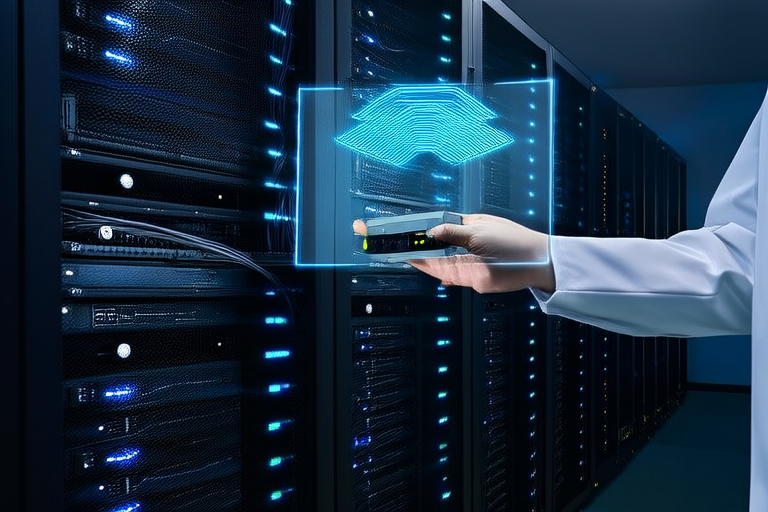

Navigating the Cloud-Edge Continuum: Strategies for Optimal Performance
Introduction
The advent of cloud computing has revolutionized the way businesses operate, offering scalable, cost-efficient solutions for data storage and processing. Meanwhile, edge computing has emerged as a critical technology, enabling real-time processing at the network’s edge, closer to where data is generated. Together, these technologies form the cloud-edge continuum, a dynamic framework that promises enhanced performance and efficiency for modern applications.
This article explores the intersection of cloud and edge computing, highlighting their complementary roles and the strategies necessary to optimize performance within this continuum. By understanding the unique strengths and challenges of both paradigms, organizations can leverage the cloud-edge continuum to drive innovation and competitive advantage.
Understanding Cloud and Edge Computing
Cloud Computing
Definition: Cloud computing refers to the delivery of computing services—such as servers, storage, databases, networking, software, analytics, and intelligence—over the Internet (“the cloud”).
Key Benefits:
- Scalability: Resources can be easily scaled up or down based on demand.
- Cost Efficiency: Pay-as-you-go pricing models reduce upfront capital expenditures.
- Global Reach: Services are accessible from anywhere with an internet connection.
- Automatic Updates: Software and infrastructure updates are managed by the service provider.
Edge Computing
Definition: Edge computing involves processing data at the network’s edge, closer to where it is generated, rather than sending all data to a centralized cloud server.
Advantages:
- Low Latency: Reduced delay in processing and responding to data.
- Real-Time Processing: Enables immediate action on data, crucial for applications like autonomous vehicles and IoT devices.
- Bandwidth Optimization: Minimizes the amount of data sent to the cloud, reducing network congestion.
- Improved Security: Sensitive data can be processed locally, reducing exposure to potential breaches.
Differences and Synergies
While cloud and edge computing serve distinct purposes, they are increasingly integrated to provide a more holistic solution. Cloud computing handles large-scale data processing, storage, and analytics, while edge computing focuses on local processing and real-time decision-making. Together, they create a robust ecosystem that enhances performance, reduces latency, and optimizes resource utilization.
Challenges in the Cloud-Edge Continuum
Integrating cloud and edge solutions presents several challenges that organizations must address to ensure optimal performance.
Data Synchronization
One of the primary challenges is maintaining consistent data across the cloud and edge environments. Ensuring that data is accurately synchronized between the two can be complex, especially when dealing with large volumes of data and multiple endpoints.
Security Concerns
As more data is processed at the edge, security becomes a critical issue. Edge devices are often deployed in remote locations, making them vulnerable to physical tampering and cyberattacks. Organizations must implement robust security measures to protect sensitive data and prevent unauthorized access.
Resource Allocation
Efficiently allocating resources between cloud and edge environments is essential for optimal performance. Balancing compute, storage, and network resources requires careful planning and monitoring to avoid bottlenecks and ensure smooth operation.
Industry Examples:
- Healthcare: Hospitals and clinics need real-time data processing for patient monitoring and diagnostics, but also require secure cloud storage for long-term records.
- Manufacturing: Factories rely on edge computing for real-time production control but also need cloud-based analytics for predictive maintenance and quality assurance.
- Automotive: Autonomous vehicles require edge computing for split-second decision-making but also depend on cloud services for mapping, navigation, and software updates.
Strategies for Optimal Performance
To achieve optimal performance in the cloud-edge continuum, organizations must adopt a strategic approach that addresses the unique challenges of each environment.
Managing Data Flow
Effective data management is crucial for ensuring seamless communication between cloud and edge environments. Organizations should implement robust data pipelines that allow for efficient transfer and processing of data. This includes:
- Implementing data filtering and aggregation techniques to minimize the volume of data sent to the cloud.
- Using edge gateways to preprocess and transform data before it reaches the cloud.
- Employing data caching mechanisms to store frequently accessed data at the edge, reducing the need for repeated cloud requests.
Ensuring Seamless Integration
Seamless integration between cloud and edge systems is essential for maintaining consistent performance. Organizations should:
- Adopt open standards and protocols to facilitate interoperability between different vendors and platforms.
- Use middleware solutions to bridge the gap between cloud and edge environments, enabling smooth data exchange and coordination.
- Implement robust monitoring and management tools to track system performance and quickly identify and resolve issues.
Selecting Appropriate Hardware and Software Solutions
The choice of hardware and software solutions can significantly impact the performance of cloud-edge systems. Organizations should:
- Choose edge devices that offer the necessary compute power, storage, and connectivity for their specific use case.
- Select cloud providers that offer flexible pricing models and robust support for edge computing.
- Consider open-source solutions and community-driven initiatives to enhance interoperability and reduce vendor lock-in.
Case Studies and Real-World Applications
Several companies have successfully implemented cloud-edge strategies, demonstrating the potential of this approach in various industries.
Case Study: Healthcare
Company: XYZ Hospital
Challenge: The hospital needed a solution to monitor patient vital signs in real time while ensuring secure data storage for long-term records.
Solution: XYZ Hospital deployed edge devices at patient bedsides to continuously monitor vital signs and send alerts in real time. The edge devices preprocess and aggregate data, reducing the volume of data sent to the cloud. Cloud-based analytics are used for trend analysis and predictive modeling, providing insights into patient health.
Results: The hospital achieved faster response times for patient care, reduced hospital stays, and improved overall patient outcomes.
Case Study: Manufacturing
Company: ABC Factory
Challenge: The factory required real-time production control to improve efficiency and quality, but also needed cloud-based analytics for predictive maintenance and quality assurance.
Solution: ABC Factory installed edge devices on production lines to monitor equipment performance and detect anomalies in real time. The edge devices preprocess data and send relevant information to the cloud for further analysis. Cloud-based analytics are used to predict equipment failures and optimize production schedules.
Results: The factory experienced a significant reduction in downtime, improved product quality, and increased operational efficiency.
Case Study: Automotive
Company: DEF Automotive
Challenge: The company needed real-time decision-making capabilities for autonomous vehicles but also required cloud services for mapping, navigation, and software updates.
Solution: DEF Automotive deployed edge devices in vehicles to process sensor data and make split-second decisions. The edge devices preprocess and filter data before sending it to the cloud for further analysis and updates. Cloud-based services are used for mapping, navigation, and software updates.
Results: The company achieved safer, more efficient autonomous driving capabilities, improved customer satisfaction, and reduced development costs.
Conclusion
In conclusion, the cloud-edge continuum offers immense potential for enhancing performance and efficiency in modern applications. By understanding the unique strengths and challenges of cloud and edge computing, organizations can develop effective strategies to optimize their operations.
As the technology continues to evolve, we can expect further advancements in areas such as artificial intelligence, machine learning, and 5G networks. These developments will enable even more sophisticated applications and use cases, driving innovation and competitiveness in the global marketplace.
Ultimately, the success of cloud-edge strategies depends on a thoughtful, strategic approach that addresses the specific needs and challenges of each organization. By embracing the cloud-edge continuum, businesses can unlock new opportunities and stay ahead in an increasingly connected world.