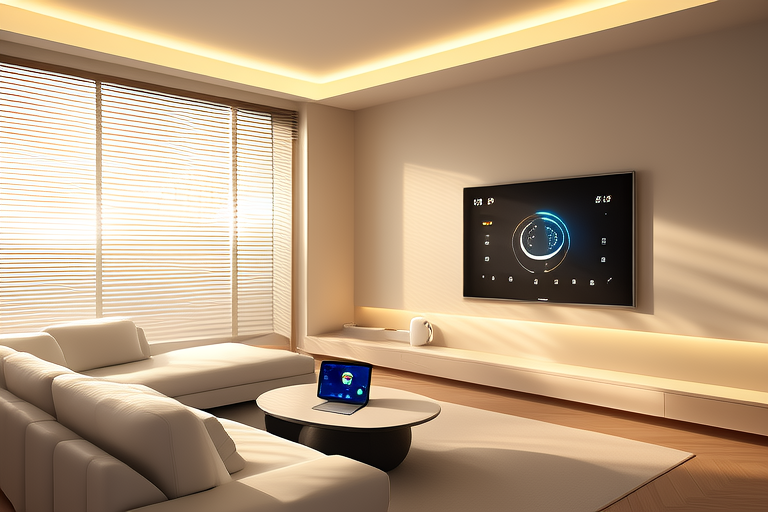

Efficiency Meets Comfort: How Smart Homes Are Revolutionizing Living Spaces
Introduction
The concept of a smart home is no longer just a futuristic dream but a reality that is rapidly transforming modern living. A smart home integrates advanced technology into everyday household functions, enhancing both efficiency and comfort. By connecting various devices and systems, smart homes offer users a more convenient, energy-efficient, and personalized living experience.
The adoption of smart home technology is on the rise, driven by the increasing availability of affordable and user-friendly solutions. This trend reflects a broader shift towards digital transformation across many aspects of life. As more households embrace these innovations, the impact on modern living becomes increasingly significant, promising a future where homes are not just places to live but intelligent environments designed to meet our needs.
Key Components of Smart Homes
At the heart of every smart home are interconnected devices and systems powered by the Internet of Things (IoT), automation systems, and voice assistants. These components work together to create a seamless, integrated experience that enhances both functionality and convenience.
Smart lighting, for instance, allows users to control lights remotely or set schedules based on occupancy, ensuring energy savings and improved ambiance. Smart thermostats optimize heating and cooling systems to match user preferences and save on utility bills. Security systems provide real-time monitoring and alerts, while entertainment hubs streamline media consumption across multiple devices.
All these elements are part of an ecosystem that communicates seamlessly, adapting to user habits and preferences. For example, a smart thermostat might learn your preferred temperatures and adjust accordingly, while a security camera can notify you if unusual activity occurs at home when you’re away.
Enhancing Efficiency
One of the most compelling benefits of smart homes is their ability to reduce energy consumption. Automated systems optimize heating, cooling, and lighting, ensuring that resources are used only when necessary. This not only lowers monthly utility bills but also contributes to environmental sustainability.
Consider a scenario where a homeowner installs a smart thermostat that adjusts the temperature based on occupancy patterns. During the winter, the system might lower the heat slightly when everyone leaves for work, then raise it again shortly before returning. Such small adjustments can lead to significant savings over time.
In addition to immediate cost reductions, smart homes offer long-term financial benefits. Energy-efficient appliances and systems typically have lower operating costs, reducing maintenance expenses and extending the lifespan of equipment. Moreover, some utilities offer rebates or incentives for installing smart home technologies, further enhancing the return on investment.
Boosting Comfort and Convenience
Smart homes go beyond mere efficiency; they also enhance daily living by offering personalized experiences tailored to individual preferences. Custom lighting schedules, adjustable temperature controls, and voice-activated commands make it easier than ever to manage household tasks without breaking stride.
Imagine coming home after a long day and having your favorite playlist start playing as soon as you step inside, lights dimming to a cozy level, and the temperature adjusted to your ideal setting. This kind of seamless integration makes everyday activities smoother and more enjoyable.
Moreover, smart homes can adapt to changing routines or unexpected events. If you suddenly need to leave earlier than planned, you can easily turn off all lights and lock doors via your smartphone. Similarly, if you forget to turn off an appliance, you can do so remotely, ensuring peace of mind.
Security and Privacy Considerations
While the benefits of smart homes are numerous, concerns about privacy and data security are valid. With so many connected devices, there’s always a risk of unauthorized access or breaches. However, manufacturers are taking steps to address these issues by implementing robust encryption protocols, secure authentication methods, and regular software updates.
To protect your smart home system, it’s important to follow best practices such as using strong passwords, enabling two-factor authentication, and keeping firmware up-to-date. Additionally, consider investing in additional layers of protection like firewalls or dedicated security services designed specifically for IoT devices.
Consumers should also be mindful of the data being collected by their smart devices and ensure they understand what information is shared and with whom. Transparency from manufacturers regarding privacy policies and data handling practices is crucial for building trust among users.
Future Trends and Innovations
The future of smart homes looks even brighter, with ongoing advancements in technology poised to further revolutionize living spaces. Artificial intelligence (AI) will play an increasingly important role in personalizing experiences, predicting user needs, and automating routine tasks.
Integration with healthcare systems represents another exciting frontier. Imagine a smart home that monitors vital signs, reminds users to take medication, or even alerts emergency services in case of a medical emergency. These capabilities could significantly improve quality of life for elderly individuals or those with chronic conditions.
As connectivity improves and new applications emerge, we can expect smarter homes to become even more intuitive and responsive, providing unparalleled levels of comfort, safety, and convenience.
Conclusion
In summary, smart homes represent a significant leap forward in how we interact with our living spaces. By integrating cutting-edge technology, they offer enhanced efficiency, comfort, and convenience, while addressing important considerations like security and privacy. As adoption continues to grow, the impact on modern living will only increase.
We encourage readers to explore the possibilities offered by smart home technology and consider how it might benefit their own lives. Whether through reduced energy costs, personalized experiences, or improved safety, there’s much to gain from embracing this innovative approach to home management.