
Wearable Devices Unveiled: Enhancing Productivity with Innovative Gadgets
Introduction
Wearable devices have emerged as transformative tools in modern life, offering a blend of convenience, functionality, and innovation. These gadgets, ranging from smartwatches to fitness trackers and smart glasses, have evolved significantly since their inception. Initially seen as novelties, they are now indispensable companions in our daily routines, enhancing personal and professional productivity alike. This article delves into the multifaceted benefits of wearable devices, focusing on how they are revolutionizing the way we manage our lives.
Understanding Wearable Devices
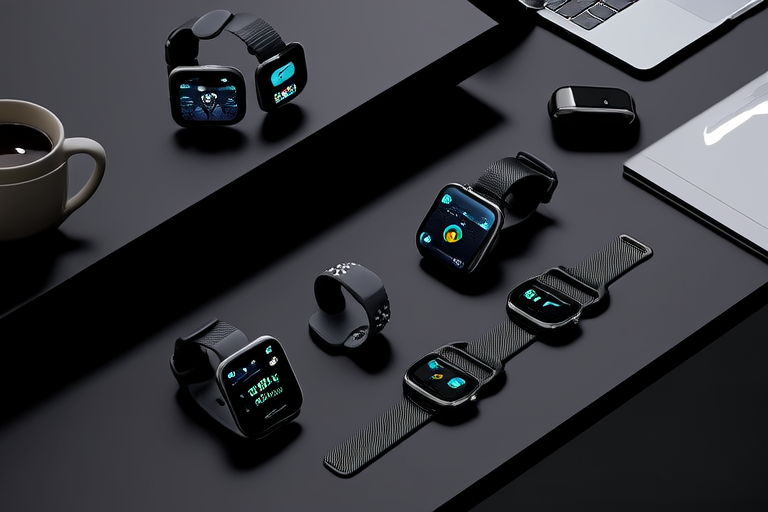
Wearable devices are electronic gadgets designed to be worn on the body, often integrated into clothing, accessories, or directly onto the skin. They come in various forms, each tailored to specific functions. Smartwatches, for instance, combine the functionality of a traditional watch with advanced features like notifications, fitness tracking, and even mobile payments. Fitness trackers, on the other hand, specialize in monitoring physical activity, heart rate, and sleep patterns. Smart glasses, such as Google Glass, offer augmented reality experiences, while hearables like wireless earbuds provide hands-free communication and music playback.
The key features that make these devices innovative include seamless connectivity, intuitive user interfaces, and robust data analysis capabilities. These gadgets not only extend the functionality of smartphones but also offer standalone solutions for various tasks. Their portability and ease of use make them ideal for enhancing productivity across different aspects of life.
Impact on Personal Productivity
Wearable devices play a pivotal role in improving personal productivity by streamlining everyday tasks and providing timely information. For example, smartwatches equipped with notification alerts ensure that users never miss important messages or calls, allowing them to stay connected without constantly checking their phones. Reminders and task management features help users prioritize their day efficiently, ensuring that nothing falls through the cracks.
Fitness trackers encourage users to maintain an active lifestyle, which is crucial for sustained productivity. By setting daily step goals and monitoring progress, individuals are motivated to engage in regular exercise, leading to improved mental clarity and energy levels. Additionally, sleep tracking features help users optimize their rest, contributing to better cognitive function during waking hours.
These devices also facilitate time management by offering quick access to calendars, timers, and to-do lists. With just a glance at their wrist, users can check upcoming appointments or set reminders for important tasks, ensuring they stay on top of their schedules.
Professional Applications
In professional settings, wearable devices are increasingly being adopted to enhance efficiency and streamline workflows. In healthcare, doctors and nurses use smartwatches to monitor patient vitals remotely, enabling quicker responses to emergencies. Construction workers benefit from ruggedized wearables that provide real-time safety alerts and location tracking, ensuring compliance with safety protocols.
Sports professionals utilize wearables to analyze performance metrics, optimizing training regimens and injury prevention strategies. For instance, basketball players may wear sensors to track their movement patterns, helping coaches refine game plans. Similarly, athletes can monitor heart rates and oxygen levels to prevent overexertion and promote recovery.
Case studies illustrate the significant impact of wearables on productivity. A healthcare provider reported a 30% reduction in response times to critical patient alerts after implementing smartwatch-based monitoring systems. In a construction project, wearable devices reduced workplace accidents by 25% by providing real-time hazard warnings.
Health and Wellness Integration
One of the most compelling aspects of wearable devices is their ability to integrate seamlessly with health and wellness practices. By tracking metrics such as heart rate, steps taken, calories burned, and sleep patterns, these gadgets empower users to take control of their health. Regular monitoring of vital signs helps individuals identify potential health issues early, facilitating proactive interventions.
For instance, a user who consistently tracks their heart rate may notice irregularities that warrant medical attention. Similarly, sleep tracking features enable users to adjust their routines for better rest, leading to improved mood and cognitive function. The connection between enhanced health and overall productivity is undeniable, as healthier individuals tend to be more focused, energetic, and resilient in their work.
Future Trends and Innovations
The future of wearable technology promises even greater advancements, with potential new features that could further enhance productivity. Augmented reality (AR) integration is expected to transform the way we interact with digital information, overlaying virtual elements onto the real world. This could prove invaluable in fields like engineering, where AR-enhanced goggles allow technicians to visualize complex systems in real-time.
Biometric sensors are becoming more sophisticated, offering deeper insights into physiological states. These sensors can detect subtle changes in blood pressure, glucose levels, and stress indicators, providing personalized health recommendations. Artificial intelligence (AI) driven analytics will play a crucial role in processing and interpreting vast amounts of data generated by wearables, offering actionable insights to users.
Emerging trends such as continuous glucose monitoring, advanced hydration tracking, and environmental sensors promise to expand the scope of wearable devices, making them even more indispensable in our daily lives.
Conclusion
In summary, wearable devices have become integral to modern life, offering a myriad of benefits that enhance productivity both personally and professionally. From smartwatches and fitness trackers to smart glasses and hearables, these gadgets provide innovative solutions for managing time, staying healthy, and improving performance. As technology continues to evolve, the potential for even greater advancements is exciting, promising a future where wearables play an even more central role in our lives.
We encourage readers to explore how they can incorporate these devices into their daily routines to achieve better outcomes. Whether it’s setting fitness goals, optimizing work schedules, or monitoring health metrics, wearable devices offer powerful tools for a more productive and fulfilling life.