
How Wearable Devices Are Changing the Game in Healthcare and Wellness
Introduction
Wearable devices, once seen as mere gadgets, have evolved into indispensable tools in the realm of healthcare and wellness. These compact, tech-driven instruments are now pivotal in monitoring, analyzing, and improving individual health. From smartwatches to fitness trackers, wearable devices are transforming the way we approach health management, offering real-time insights into our physiological states. As these devices have become more sophisticated, they have also gained the trust of both consumers and healthcare professionals. Their ability to provide continuous, non-invasive health monitoring has made them essential for preventive care, early disease detection, and personalized treatment.
Key Features of Wearable Devices
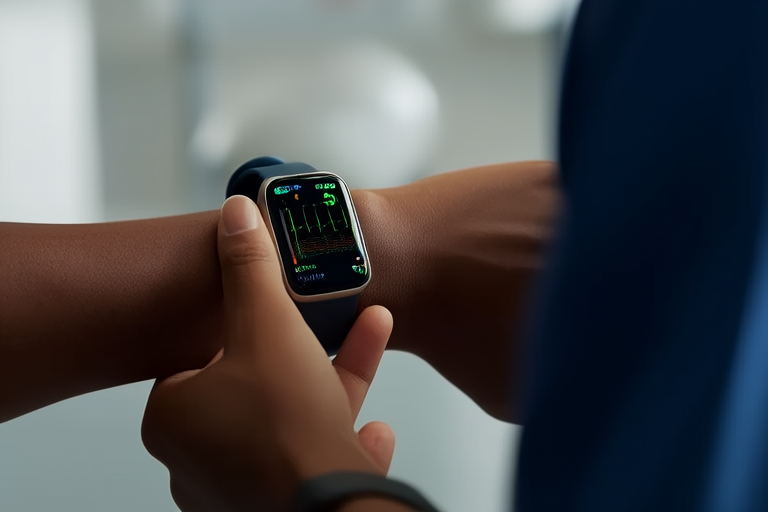
The most common types of wearable devices include smartwatches, fitness trackers, and health monitors. These devices come equipped with an array of features designed to enhance user experience and improve health outcomes. Among the most popular features are heart rate monitoring, sleep tracking, step counting, and blood oxygen level measurement. Advanced features, such as electrocardiogram (ECG) readings, stress management tools, and mental health tracking, further expand the utility of these devices.
- Heart Rate Monitoring: Continuous heart rate tracking helps users monitor their cardiovascular health and detect potential issues.
- Sleep Tracking: Analyzes sleep patterns, identifying quality and duration, which can influence overall health.
- Step Counting: Encourages physical activity by setting daily goals and tracking progress.
- Blood Oxygen Levels: Measures the amount of oxygen in the blood, crucial for assessing respiratory health.
- Advanced Features: ECG, stress management, and mental health tracking provide deeper insights into overall well-being.
Impact on Healthcare
Wearable devices are revolutionizing patient care by providing real-time data to both patients and healthcare providers. This data can be used to monitor chronic conditions, track medication adherence, and identify potential health risks before they escalate. For example, wearable devices have been instrumental in managing conditions like diabetes, hypertension, and cardiac arrhythmias. By enabling early detection and intervention, these devices contribute significantly to preventive medicine.
Case studies illustrate the transformative impact of wearable technology. In one instance, a patient with atrial fibrillation was able to detect irregular heartbeats using an ECG-enabled smartwatch. This early detection allowed for timely medical intervention, potentially preventing serious complications. Similarly, wearable devices have played a crucial role in remote patient monitoring, particularly during the COVID-19 pandemic, when in-person visits were limited.
Role in Wellness
Wearable devices are not only valuable for healthcare professionals but also serve as powerful motivators for individuals seeking to lead healthier lifestyles. These devices promote healthy habits through goal-setting, tracking progress, and encouraging regular exercise. Many wearable devices integrate seamlessly with mobile apps and platforms, enhancing user engagement and providing personalized recommendations based on individual data.
By fostering a more active and mindful lifestyle, wearable devices encourage users to take charge of their health. They offer real-time feedback on physical activity, sleep quality, and stress levels, empowering users to make informed decisions about their well-being. Additionally, these devices often incorporate gamification elements, such as rewards and challenges, making health management more engaging and enjoyable.
Challenges and Considerations
Despite their many benefits, wearable devices also present several challenges. Privacy concerns and data security are paramount, especially given the sensitive nature of health information. There is a risk of personal health data being misused or compromised, necessitating robust security measures. Additionally, the accuracy and reliability of wearable device measurements can vary, leading to potential misinterpretation of health data.
Interoperability challenges also exist, as different devices and platforms may not communicate effectively with each other. This can hinder the seamless integration of health data across various systems, limiting its utility for healthcare providers. To address these issues, ongoing research and development are focused on improving the accuracy, reliability, and compatibility of wearable devices.
Future Outlook
The future of wearable technology holds immense promise. Advances in sensor technology are expected to lead to more accurate and reliable health measurements. Longer battery life and improved design will make these devices even more convenient for everyday use. Seamless integration with other health systems, such as electronic health records and telemedicine platforms, will further enhance their utility.
Predictive analytics and artificial intelligence are poised to play a significant role in leveraging the vast amounts of health data generated by wearables. These technologies could enable more precise diagnoses, personalized treatment plans, and proactive health management. As wearable devices continue to evolve, they will undoubtedly shape the future of healthcare, offering new possibilities for preventive care, remote monitoring, and personalized medicine.
Conclusion
In conclusion, wearable devices are no longer mere accessories; they are powerful tools that are reshaping the healthcare industry. From real-time health monitoring to promoting healthier lifestyles, these devices offer numerous benefits for both patients and healthcare professionals. By integrating wearable technology into daily routines, individuals can gain valuable insights into their health and make informed decisions about their well-being.
As the technology continues to advance, it is clear that wearable devices will play an increasingly important role in the future of healthcare and wellness. Embracing this technology can lead to better health outcomes, improved quality of life, and more personalized approaches to health management. It is time for everyone to consider the benefits of incorporating wearable devices into their daily lives.