
Navigating the World of Wearable Devices: What You Need to Know Before Buying
Introduction
Welcome to the world of wearable devices! These are electronic gadgets designed to be worn on the body, often seamlessly integrating into your daily routine. From fitness trackers to smartwatches and even health monitors, wearable devices have become increasingly popular due to their ability to enhance productivity, improve health, and provide convenience.
The growth in this sector has been remarkable, with millions of units sold annually. Whether you’re looking to stay fit, monitor your health, or simply keep up with notifications, there’s likely a wearable device that fits your lifestyle. This article will guide you through the essentials you need to know before making a purchase.
Types of Wearable Devices
Smartwatches
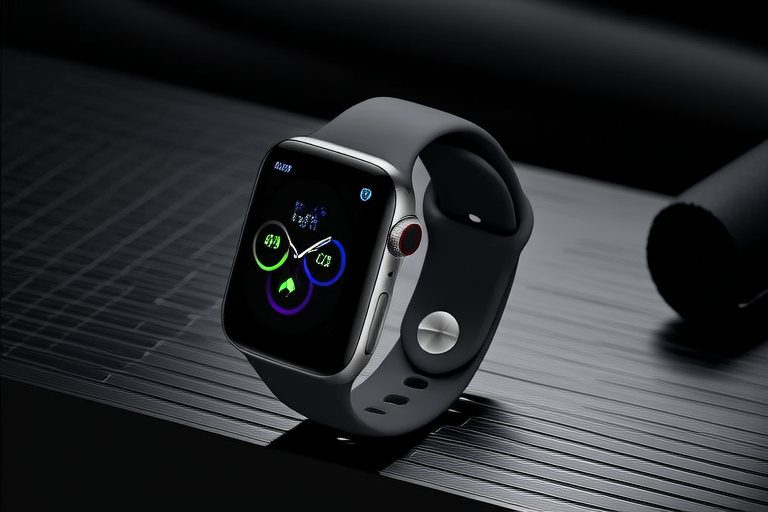
Smartwatches are perhaps the most well-known type of wearable device. They function much like a traditional watch but come packed with additional features such as mobile app integration, notifications from your smartphone, and fitness tracking capabilities. Popular models include Apple Watch, Samsung Galaxy Watch, and Garmin Forerunner.
Fitness Trackers
Fitness trackers focus primarily on physical activity metrics such as steps taken, calories burned, distance traveled, and sleep patterns. Devices like Fitbit Charge and Jawbone UP are widely used by individuals who want to maintain an active lifestyle without the added complexity of smartwatch features.
Smart Glasses
Smart glasses, exemplified by Google Glass and Microsoft HoloLens, offer augmented reality experiences. These devices project digital information directly onto the lenses, enhancing your perception of the real world. They are particularly useful for professionals requiring hands-free access to data.
Health Monitors
Health monitors go beyond basic fitness metrics to track more sophisticated physiological indicators. Examples include continuous glucose monitors for diabetics and ECG monitors for heart condition management. Devices like Dexcom G6 and Apple Watch Series 6 with ECG functionality are notable here.
Key Features to Consider
When choosing a wearable device, several factors should influence your decision:
- Battery Life: Longevity varies widely; some devices last days, while others may only survive a few hours.
- Connectivity Options: Bluetooth, Wi-Fi, and cellular connections allow seamless interaction between wearables and other devices.
- Water Resistance: Important for those who engage in water-based activities.
- Durability: Impact-resistant materials ensure longevity.
For instance, fitness enthusiasts might prioritize robust build quality and extended battery life, whereas business professionals could prefer lightweight designs and quick charging times.
Compatibility and Integration
Compatibility ensures smooth operation within your existing tech ecosystem. Most modern wearables support both iOS and Android systems, though specific functionalities may differ based on manufacturer.
Integration capabilities vary too. Some devices sync effortlessly with apps on your phone, providing detailed insights into your activities, while others require more manual setup.
Health and Fitness Tracking
Wearable devices offer diverse health and fitness tracking options:
- Heart Rate Monitoring: Tracks cardiovascular performance.
- Sleep Analysis: Provides insights into sleep quality.
- Step Counting: Measures daily physical activity.
- GPS Tracking: Useful for outdoor activities.
The accuracy of these measurements can vary significantly among brands. It’s crucial to read reviews and understand what each device measures accurately.
Privacy and Security Concerns
Data collected by wearables includes sensitive personal information. Users must understand potential risks associated with data collection, storage, and sharing practices.
To safeguard privacy, always review privacy policies, enable encryption settings, and limit unnecessary data sharing. Regularly updating software also helps mitigate security vulnerabilities.
Future Trends and Innovations
The future holds exciting possibilities for wearable technology:
- Augmented Reality Integration: Enhancing user experience through AR.
- Biometric Sensors: More advanced health monitoring.
- Long-Term Battery Improvements: Extended operational time without recharging.
These advancements promise to make wearables even more indispensable tools for managing our lives.
Conclusion
In summary, wearable devices offer numerous benefits but require careful consideration before purchase. Understanding the different types available, key features, compatibility, health tracking capabilities, privacy concerns, and future trends will help you select the right device for your needs.
We encourage thorough research and consultation with experts to ensure you find the perfect fit. Happy shopping!