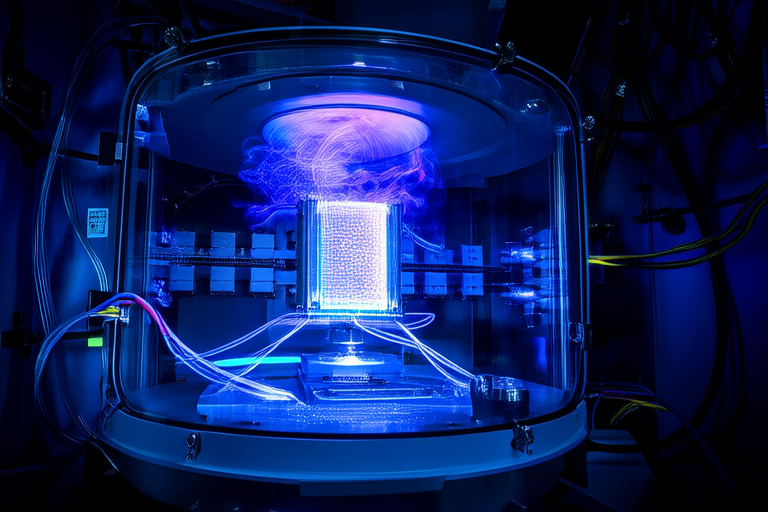

Harnessing Quantum Power: What Every Tech Enthusiast Should Know
Introduction
Quantum computing represents a revolutionary leap in computational power, promising to solve complex problems that are currently beyond the reach of classical computers. By leveraging the principles of quantum mechanics, these machines can process information in ways that could transform industries ranging from finance and pharmaceuticals to logistics and cybersecurity. For tech enthusiasts, keeping up with this rapidly evolving field is crucial, as it holds the potential to redefine the limits of computation and open new frontiers in technology.
The fundamental difference between quantum and classical computing lies in how they handle data. While traditional computers use bits to encode information as either 0s or 1s, quantum computers employ quantum bits, or qubits, which can exist in multiple states simultaneously thanks to a phenomenon called superposition. This allows quantum computers to perform numerous calculations at once, vastly increasing their processing speed and efficiency.
Basics of Quantum Computing
To understand quantum computing, it’s essential to grasp some basic concepts:
- Qubits: Unlike classical bits, qubits can represent both 0 and 1 at the same time due to superposition. This property exponentially increases the amount of information a quantum computer can process.
- Superposition: Imagine flipping a coin; it can land on heads or tails. In quantum terms, until observed, the coin exists in a state of both heads and tails simultaneously. Similarly, qubits can exist in multiple states at once, enabling parallel processing.
- Entanglement: When qubits become entangled, the state of one qubit instantaneously affects the state of another, no matter the distance between them. This phenomenon allows quantum computers to link data across vast networks efficiently.
- Quantum Gates: These are the building blocks of quantum circuits, analogous to logic gates in classical computing. They manipulate qubits through operations like rotation and interference to perform computations.
By harnessing these principles, quantum computers can tackle problems that would take classical computers millions of years to solve.
Applications of Quantum Technology
Quantum computing is poised to revolutionize several sectors:
- Cryptography: Quantum computers could break widely used encryption methods, necessitating the development of quantum-resistant algorithms. However, they also offer new cryptographic techniques based on quantum key distribution (QKD), which ensures secure communication.
- Drug Discovery: Simulating molecular structures and chemical reactions is computationally intensive for classical computers. Quantum computing can accelerate this process, potentially leading to faster drug development and personalized medicine.
- Optimization Problems: Industries like logistics, manufacturing, and finance face complex optimization challenges. Quantum algorithms can find optimal solutions more efficiently than classical counterparts, reducing costs and improving efficiency.
- Artificial Intelligence: Quantum computing enhances AI by providing faster training times for machine learning models and improving pattern recognition capabilities. This could lead to smarter autonomous systems and more accurate predictive analytics.
These applications demonstrate the transformative potential of quantum technology, offering tangible benefits across diverse fields.
Challenges and Limitations
Despite its promise, quantum computing faces several challenges:
- Error Rates: Qubits are highly susceptible to errors caused by environmental factors. Developing robust error correction mechanisms is critical for reliable quantum computing.
- Decoherence: Maintaining coherence among qubits over extended periods remains difficult. Researchers are working on improving coherence times to enhance computational stability.
- Specialized Infrastructure: Quantum computers require sophisticated cooling systems and precise control environments, making them expensive and challenging to deploy.
Advancements in materials science, error correction techniques, and hardware design are gradually overcoming these obstacles. As research progresses, we can expect more stable and accessible quantum systems in the near future.
Impact on Everyday Life
In the coming years, quantum technology will likely influence various aspects of daily living:
- Cybersecurity: Enhanced encryption methods will protect sensitive data from cyber threats, ensuring safer online transactions and communications.
- Transportation: Optimized routing algorithms powered by quantum computing can reduce traffic congestion, lower fuel consumption, and improve public transport efficiency.
- Healthcare: Personalized treatment plans based on quantum simulations of patient-specific biological processes could lead to more effective therapies and improved patient outcomes.
While many of these changes are still speculative, the potential for positive disruption is immense.
Future Outlook
Ongoing research and collaboration between academia and industry are driving progress in quantum computing. Companies like IBM, Google, and Microsoft are investing heavily in R&D, while universities worldwide contribute valuable insights through theoretical studies and experimental innovations.
Predictions suggest that practical applications of quantum technology could become widespread within the next decade. As more resources are allocated to this field, we can anticipate significant advancements in both hardware and software, paving the way for broader adoption.
Conclusion
Understanding quantum computing is vital for tech enthusiasts eager to stay ahead of technological trends. From enhancing cybersecurity to optimizing supply chains, the implications of this emerging field are far-reaching and profound. By staying informed about developments in quantum technology, individuals can better appreciate its potential impact on society and prepare for the innovations yet to come.