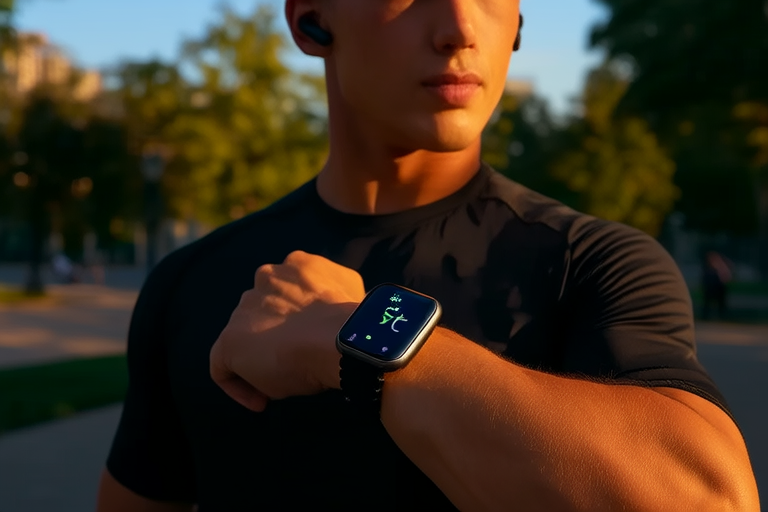

Unveiling the Potential: How Wearables Are Changing Daily Life
Introduction
The term “wearables” encompasses a diverse range of devices designed to be worn on the body, from smartwatches and fitness trackers to health monitors and augmented reality glasses. These gadgets have become increasingly popular in recent years, transforming the way we interact with technology and manage our daily lives. Initially introduced as simple pedometers, wearables have evolved into sophisticated tools that offer a wide array of functionalities.
The impact of wearable technology is profound, as it allows individuals to monitor their health, track their physical activity, and enhance their overall quality of life. As wearables continue to advance, they hold the promise of further transforming various aspects of our everyday living, from healthcare and fitness to communication and entertainment.
Health and Wellness
One of the most significant ways in which wearables are changing daily life is through their ability to revolutionize personal health management. These devices are equipped with features such as heart rate monitoring, sleep tracking, and stress management, providing users with valuable insights into their well-being.
For instance, heart rate monitoring helps users detect irregularities in their heartbeat, potentially identifying conditions like atrial fibrillation early. Sleep tracking offers detailed analyses of sleep patterns, helping users understand the quality and duration of their rest. Stress management features, such as guided breathing exercises, assist users in reducing anxiety and improving mental health.
Real-world applications of these features have led to remarkable success stories. Individuals who were previously unaware of their poor sleep habits or high stress levels have been able to make positive changes in their lives by leveraging the data provided by their wearables. These devices empower users to take control of their health and make informed decisions about their lifestyle.
Fitness and Activity Tracking
Wearables are also enhancing fitness routines by offering a variety of features that motivate users to lead more active lifestyles. Popular features include step counting, calorie tracking, GPS mapping, and workout coaching. Step counting provides a straightforward metric for measuring physical activity, while calorie tracking helps users monitor their energy expenditure and make adjustments to their diet accordingly.
GPS mapping allows users to track their routes during outdoor activities, offering real-time feedback on distance covered and pace. Workout coaching features provide personalized guidance, offering tips and encouragement to help users achieve their fitness goals. These features not only enhance the user experience but also contribute to increased engagement and adherence to exercise routines.
The motivational aspect of wearables cannot be overstated. By setting goals and receiving feedback on progress, users are more likely to stay committed to their fitness journeys. This has led to a noticeable increase in physical activity among users of wearable devices, contributing to improved overall health and well-being.
Convenience and Integration
In addition to their health and fitness benefits, wearables are making daily tasks more convenient. Features such as mobile payments, notifications, voice assistants, and remote controls for smart home devices enable users to perform various functions without needing to reach for their smartphones or other devices.
Mobile payments allow users to make purchases simply by tapping their wrist, streamlining transactions and reducing the need to carry cash or cards. Notifications keep users informed about important events and updates, ensuring they never miss out on critical information. Voice assistants provide hands-free access to a wide range of services, from weather forecasts to music streaming. Remote controls for smart home devices enable users to manage their homes effortlessly, adjusting lighting, temperature, and security settings with ease.
The integration of wearables with other technologies further enhances their utility. For example, wearables can sync with smartphones, laptops, and smart appliances, creating a seamless ecosystem that simplifies daily life. This integration allows for a more connected and efficient experience, where devices work together to provide a cohesive user experience.
Privacy and Security Concerns
Despite their many benefits, wearables raise important privacy and security concerns. As these devices collect vast amounts of personal data, there is a risk that this information could be misused or compromised. Users must be vigilant about protecting their privacy and ensuring that their data is secure.
Manufacturers are addressing these concerns by implementing robust security measures, such as encryption and multi-factor authentication. They are also being transparent about their data collection practices and giving users greater control over their data. For example, some wearables now offer options for users to delete their data or opt out of certain types of data sharing.
It is crucial for users to remain informed about the privacy policies and security features of the wearables they use. By staying aware of these issues and taking appropriate precautions, users can enjoy the benefits of wearables while minimizing the risks associated with data privacy and security.
Future Prospects
The future of wearable technology holds great promise, with ongoing advancements and emerging trends poised to further transform daily life. One area of focus is the development of advanced biometric sensors that will provide even more accurate and comprehensive health data. Longer battery life will also enhance user experience, allowing for continuous monitoring without frequent recharging.
Seamless integration with augmented reality (AR) is another exciting trend that could revolutionize the way we interact with the world around us. AR-enabled wearables could provide real-time information and guidance, enhancing productivity and convenience in both personal and professional settings.
As wearables continue to evolve, they will play an increasingly important role in meeting new challenges and opportunities in healthcare, fitness, and everyday convenience. The potential for innovation in this field is vast, and it will be fascinating to see how wearables continue to shape the future of daily life.
Conclusion
In conclusion, wearables are having a profound impact on daily life, offering numerous benefits in areas such as health, fitness, and convenience. From revolutionizing personal health management to enhancing fitness routines and streamlining daily tasks, these devices are transforming the way we live and interact with technology.
The potential of wearables to shape the future of daily life is immense, and it is clear that they will continue to play a vital role in improving our overall quality of life. As technology continues to advance, we can expect even more innovative features and applications that will further enhance the capabilities of wearables.
We encourage readers to explore how wearables can enhance their own lives, whether through better health management, more active lifestyles, or increased convenience. By embracing the potential of wearables, we can all look forward to a brighter and more connected future.