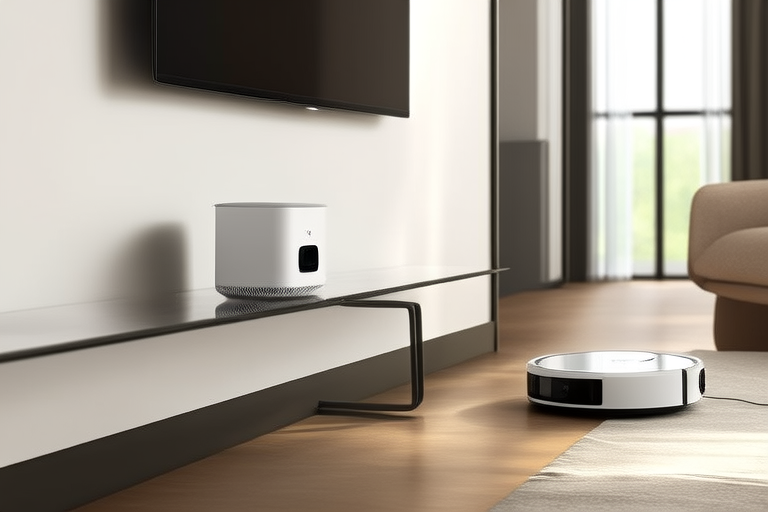

Simplifying Life: Top Trends in Smart Home Automation
Introduction
The concept of smart home automation has been gaining momentum over the years, transforming the way we interact with our living spaces. At its core, smart home automation refers to the use of technology to control and manage various household devices and systems through a central hub or mobile application. This technology simplifies daily routines by automating tasks that would otherwise require manual intervention, thus enhancing convenience and improving overall quality of life. From adjusting lighting and temperature to monitoring security systems, smart home automation offers a wide range of functionalities designed to make life easier and more efficient.
As technology continues to evolve, so too does the scope and sophistication of smart home automation. In recent years, we have witnessed a surge in innovation within this field, with new trends emerging that promise to revolutionize the way we live. These advancements not only streamline everyday activities but also address pressing issues such as energy consumption and environmental sustainability. By integrating cutting-edge solutions into our homes, we can create smarter, more responsive environments tailored to meet individual needs while promoting eco-friendly practices.
Top Trends in 2023
In 2023, several notable trends are shaping the landscape of smart home automation. One of the most prominent developments is the widespread adoption of voice-controlled assistants like Amazon Alexa, Google Assistant, and Apple Siri. These platforms allow users to issue commands verbally, enabling hands-free operation of numerous devices throughout the house. Whether it’s dimming lights, playing music, or checking weather forecasts, voice control provides an intuitive interface that enhances accessibility and user experience.
Another significant trend involves enhancing energy efficiency and promoting sustainable living through innovative solutions. Many homeowners are now opting for solar panels, smart thermostats, and other eco-friendly appliances that help reduce carbon footprints while lowering utility bills. Additionally, there has been a noticeable shift towards greater connectivity and interoperability among different gadgets within the home ecosystem. As manufacturers continue to develop standards for seamless communication between devices, consumers benefit from increased flexibility and compatibility across brands.
Advanced security measures represent another area where progress has been made recently. Facial recognition technology, biometric door locks, and motion-sensing cameras are just some examples of how safety protocols have become more sophisticated. Meanwhile, personalization and artificial intelligence play crucial roles in optimizing day-to-day operations by learning user habits and preferences over time. This allows for customized experiences that adapt dynamically based on individual requirements.
Benefits of Smart Home Automation
The adoption of smart home technology brings numerous advantages that extend beyond mere convenience. Firstly, these systems contribute significantly to reducing energy waste through precise management of resources such as heating, cooling, and lighting. Secondly, they offer robust protection against intruders thanks to state-of-the-art surveillance tools and access controls. Thirdly, occupants enjoy heightened levels of comfort due to customizable settings that cater specifically to their tastes. Lastly, time-saving features enable people to multitask effectively without being bogged down by mundane chores.
Challenges and Considerations
While the benefits of smart home automation are undeniable, there are certain obstacles worth considering before embarking on this journey. Privacy remains one of the primary concerns associated with connected devices since sensitive information could potentially be compromised if proper precautions aren’t taken. Moreover, setting up and configuring multiple pieces of hardware might prove challenging for those unfamiliar with technical processes. Finally, ongoing maintenance costs must be factored into budget plans alongside any upfront investments required for installation.
Future Outlook
Looking ahead, several exciting possibilities lie ahead for the realm of smart home automation. Augmented reality (AR) interfaces hold great promise for creating immersive experiences that blend physical surroundings with digital elements. Furthermore, advances in sensor technology will likely lead to even finer granularity in monitoring conditions inside residences. Ultimately, seamless integration across diverse platforms will foster greater collaboration between disparate components, resulting in cohesive environments that respond intelligently to changing circumstances.
Conclusion
To summarize, smart home automation represents a powerful tool capable of streamlining daily routines and elevating living standards. Through embracing emerging trends and overcoming potential hurdles, individuals stand to gain considerable rewards ranging from financial savings to enhanced peace of mind. As research and development efforts persist, we can expect further breakthroughs that push boundaries even further, cementing the role of intelligent domiciles in shaping tomorrow’s urban landscapes.