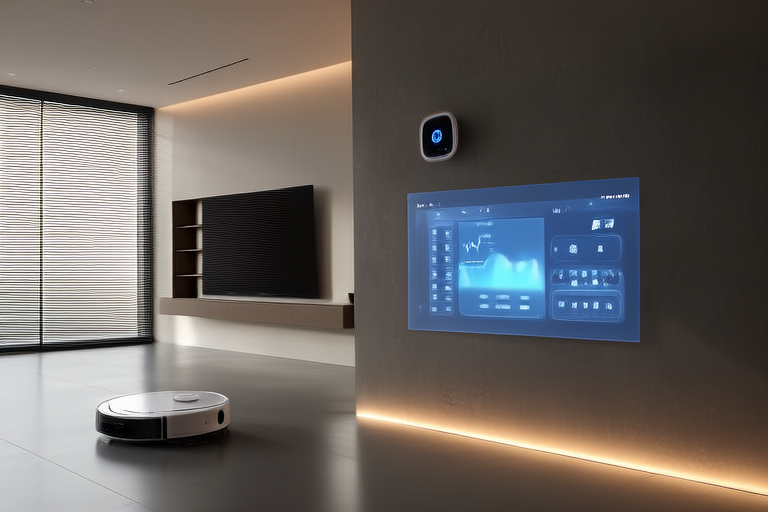

Maximizing Efficiency with Cutting-Edge Smart Home Technology
Introduction
The concept of smart home technology refers to the integration of advanced electronic devices, software, and internet connectivity within residential spaces. These innovations are designed to enhance the functionality, comfort, and efficiency of homes, making everyday tasks easier and more convenient. In recent years, the adoption of smart homes has grown significantly, driven by technological advancements and increasing consumer awareness of the benefits they offer.
Smart home technology is no longer just a futuristic concept; it is becoming an integral part of modern living. From automated lighting to voice-controlled assistants, these systems are transforming the way we interact with our living environments. The primary goal of smart home technology is to maximize efficiency, convenience, and sustainability, ultimately improving the overall quality of life for homeowners.
Body
Key Components of Smart Home Technology
Smart Thermostats
One of the most popular components of smart home technology is the smart thermostat. Advanced thermostats, such as those from Nest or Ecobee, are equipped with sophisticated algorithms that learn user preferences and adapt accordingly. They can automatically adjust the temperature based on occupancy patterns, weather forecasts, and even the time of day. This optimization ensures that energy is used only when necessary, leading to significant savings on heating and cooling costs.
Smart Lighting Systems
Smart lighting systems have revolutionized the way we illuminate our homes. Devices like Philips Hue or LIFX offer customizable options for adjusting brightness and color, creating the perfect ambiance for any occasion. These systems can also be programmed to turn off automatically when rooms are unoccupied, further reducing energy consumption. Additionally, smart bulbs can sync with other smart devices, allowing for coordinated lighting effects and enhanced security.
Voice-Controlled Assistants
Voice-controlled assistants, such as Amazon Echo, Google Nest, and Apple HomePod, have become ubiquitous in modern homes. These devices enable users to control various aspects of their smart home environment using simple voice commands. Whether it’s adjusting the thermostat, turning off lights, or playing music, these assistants streamline daily routines and increase convenience. They also integrate seamlessly with other smart devices, creating a cohesive ecosystem that enhances overall functionality.
Security Systems
Modern security systems leverage advanced technology to provide real-time monitoring and alerts, ensuring the safety of homes and occupants. Features such as motion-detecting cameras, doorbell cameras, and smart locks allow homeowners to keep an eye on their property from anywhere. These systems can send notifications via smartphone apps, enabling immediate action if suspicious activity is detected. Furthermore, many security solutions offer cloud-based storage for video footage, providing peace of mind and added protection.
Smart Appliances
Smart appliances are another essential component of smart home technology. Refrigerators, washing machines, and dishwashers can now be connected to a central hub, allowing for remote operation and predictive maintenance. For example, smart fridges can track inventory and suggest recipes based on available ingredients, while smart washers can notify users when a load is complete. These features not only save time but also contribute to energy efficiency by optimizing usage patterns.
Benefits of Smart Home Technology
Energy Savings
One of the most significant advantages of smart home technology is its ability to reduce utility bills. By optimizing resource usage, these systems can lead to substantial energy savings. For instance, smart thermostats can lower heating and cooling costs by up to 10% annually. Similarly, smart lighting systems that automatically turn off unused lights can cut electricity consumption by 15%. These savings accumulate over time, offering long-term financial benefits for homeowners.
Convenience and Comfort
Smart home technology greatly improves daily life through automation and personalized settings. Voice-controlled assistants, for example, allow users to manage multiple devices with ease, streamlining household tasks. Smart lighting systems can adjust brightness and color to suit individual preferences, creating a comfortable and inviting atmosphere. Additionally, smart security systems provide peace of mind, ensuring that homes are secure even when occupants are away.
Environmental Impact
Smart home technology plays a crucial role in promoting eco-friendly practices and reducing carbon footprints. By optimizing energy usage, these systems help conserve natural resources and minimize environmental impact. For instance, smart thermostats and lighting systems can significantly reduce electricity consumption, contributing to a more sustainable lifestyle. Moreover, smart appliances that offer predictive maintenance can extend product lifespans, further reducing waste and promoting sustainability.
Integration and Interoperability
Unified Platforms
The seamless integration of various smart devices is made possible through unified platforms. These platforms act as central hubs, allowing different devices from multiple manufacturers to communicate and work together cohesively. For example, a single app can control smart lights, thermostats, and security systems, providing a streamlined user experience. Unified platforms also facilitate automation, enabling users to create custom routines that trigger multiple actions simultaneously.
Compatibility Challenges
While the integration of smart home devices offers numerous benefits, it is not without challenges. One of the main obstacles is compatibility between different brands and technologies. Not all devices are designed to work together seamlessly, which can lead to frustration for users. To address this issue, many manufacturers are working towards industry standards and open protocols that promote interoperability. However, until these standards are universally adopted, homeowners may need to carefully select compatible devices to avoid compatibility issues.
Future Trends
The future of smart home technology holds exciting possibilities, particularly in the areas of artificial intelligence (AI), machine learning (ML), and the Internet of Things (IoT). As these technologies continue to evolve, smart homes will become even more intelligent and intuitive. AI-powered virtual assistants could anticipate user needs and make adjustments automatically, further enhancing convenience. ML algorithms could analyze data from various devices to identify patterns and optimize performance. Additionally, advancements in IoT will enable greater connectivity and integration across different devices and systems.
Conclusion
In summary, smart home technology offers a wide range of benefits that enhance efficiency, convenience, and sustainability in households. From smart thermostats and lighting systems to voice-controlled assistants and security systems, these innovations are transforming the way we live. By optimizing resource usage and automating routine tasks, smart home technology not only saves money but also promotes a healthier and more comfortable living environment.
The transformative impact of cutting-edge smart home technology is undeniable. As technology continues to advance, the potential for even greater efficiency and improved quality of life becomes increasingly apparent. We encourage readers to consider adopting smart home solutions and embrace the future of modern living.