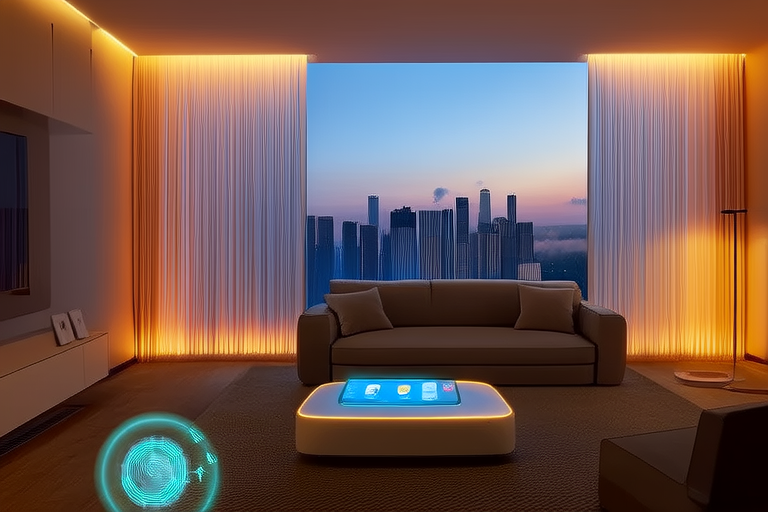

How Smart Homes Are Changing the Way We Live
Introduction
A smart home is a residential space equipped with technology that allows for remote monitoring and control of various systems and appliances. These systems are interconnected, enabling homeowners to manage everything from lighting and heating to security and entertainment. The concept of a smart home has grown increasingly popular over the past decade, driven by advancements in technology and a desire for more efficient, convenient, and secure living environments.
The benefits of smart homes are numerous. They offer unparalleled convenience, allowing homeowners to automate routine tasks and control their home’s functions remotely. Smart homes also promote energy efficiency, helping to reduce utility costs and lower the environmental impact of household operations. Additionally, enhanced security features provide peace of mind, while health and wellness integrations support a healthier lifestyle. In this article, we will explore how smart homes are transforming daily living, focusing on convenience, energy efficiency, security, and health.
Convenience and Automation
One of the most appealing aspects of smart homes is the convenience they offer. Devices such as voice assistants, smart thermostats, and automated lighting systems make everyday tasks easier and more efficient. Voice assistants like Amazon Alexa and Google Assistant enable users to control various aspects of their home with simple voice commands. For instance, you can ask your assistant to adjust the thermostat, turn off the lights, or even start the coffee maker without lifting a finger.
Smart thermostats, such as the Nest Learning Thermostat, learn your preferences and automatically adjust the temperature based on occupancy patterns. This ensures optimal comfort while minimizing energy waste. Similarly, automated lighting systems can be programmed to turn on or off at specific times, mimicking natural behavior and enhancing security when no one is home. These technologies not only save time but also contribute to a more comfortable and enjoyable living experience.
Remote access is another significant advantage of smart home technology. With smartphone apps or web interfaces, homeowners can monitor and control their home’s systems from anywhere. Whether you’re at work or on vacation, you can check the status of your security system, adjust the thermostat, or even lock the doors if you forgot to do so before leaving. This level of control provides unprecedented convenience and peace of mind.
Energy Efficiency
Smart homes play a crucial role in promoting energy efficiency, which leads to significant cost savings and environmental benefits. Features like smart thermostats, energy-efficient appliances, and real-time monitoring of electricity usage help homeowners reduce their energy consumption. According to the U.S. Department of Energy, homes with smart thermostats can save up to 10% on heating and cooling costs annually. By learning your habits and adjusting the temperature accordingly, these devices ensure that energy is used only when necessary.
Energy-efficient appliances, such as refrigerators, washing machines, and dishwashers, are another essential component of smart homes. Many of these appliances come equipped with sensors and timers that optimize performance and reduce energy waste. For example, a smart refrigerator can notify you when the door has been left open, preventing unnecessary cooling and saving energy. Real-time monitoring systems allow homeowners to track their electricity usage in real-time, providing insights into areas where they can cut back and improve efficiency.
The environmental benefits of reduced energy consumption cannot be overstated. By lowering carbon emissions and reducing reliance on fossil fuels, smart homes contribute to global sustainability efforts. As more households adopt these technologies, the collective impact on the environment becomes even greater. In addition to the ecological benefits, the financial savings from reduced utility bills make smart homes an attractive option for many homeowners.
Enhanced Security
Security is a top priority for many homeowners, and smart home technology offers advanced solutions that go beyond traditional methods. Smart locks, surveillance cameras, motion detectors, and alarm systems work together to provide a higher level of protection. Smart locks, such as those offered by August or Schlage, allow homeowners to lock and unlock their doors remotely using a smartphone app. You can grant temporary access to visitors or service providers without needing to hand out keys, adding an extra layer of security.
Surveillance cameras, often equipped with night vision and two-way audio, provide continuous monitoring of your property. Many models can send alerts to your phone when motion is detected, allowing you to respond quickly to potential threats. Motion detectors integrated into the home’s security system can trigger alarms or notify authorities in the event of a break-in. These technologies work in tandem to create a robust defense against intruders.
Real-world examples demonstrate the effectiveness of smart home security systems. In one case, a homeowner received an alert from their surveillance camera while away on vacation. Upon checking the footage, they discovered a suspicious person lurking around the house. Thanks to the system, they were able to contact the police immediately, preventing a potential burglary. Another example involves a smart lock that prevented unauthorized entry after a visitor’s temporary access code expired. These instances highlight the practical applications of smart home security and the peace of mind it provides.
Health and Wellness Integration
Smart homes are increasingly integrating health and wellness features, offering support for a healthier lifestyle. Air quality monitors, sleep tracking devices, and fitness integration are just a few examples of how technology is enhancing well-being within the home. Air quality monitors, such as those from Awair or Netatmo, continuously measure pollutants like dust, VOCs, and humidity levels, providing real-time feedback to help maintain a healthy indoor environment.
Sleep tracking devices, often paired with smart beds or mattresses, monitor sleep patterns and provide insights into the quality of rest. Some systems can even adjust the mattress firmness or room temperature to optimize comfort during sleep. Fitness integration is another area where smart homes are making strides. Smart mirrors, connected treadmills, and virtual personal trainers offer personalized workouts and guidance, encouraging an active lifestyle.
The potential for personalized health management within the home environment is vast. Connected devices can share data with healthcare providers, enabling proactive care and early intervention. Emerging trends in this area include the development of smart pill dispensers that remind patients to take medication and wearable devices that monitor vital signs. These innovations promise to further enhance well-being and improve overall quality of life.
Conclusion
In summary, smart homes are transforming the way we live by offering convenience, energy efficiency, enhanced security, and improved health and wellness. From automating everyday tasks to promoting sustainability and safety, these technologies provide numerous benefits that make modern living more comfortable and enjoyable. As the industry continues to evolve, we can expect even more innovative solutions that将进一步塑造我们的生活。未来的智能家居技术有望带来新的和令人兴奋的方式,继续改变我们的生活