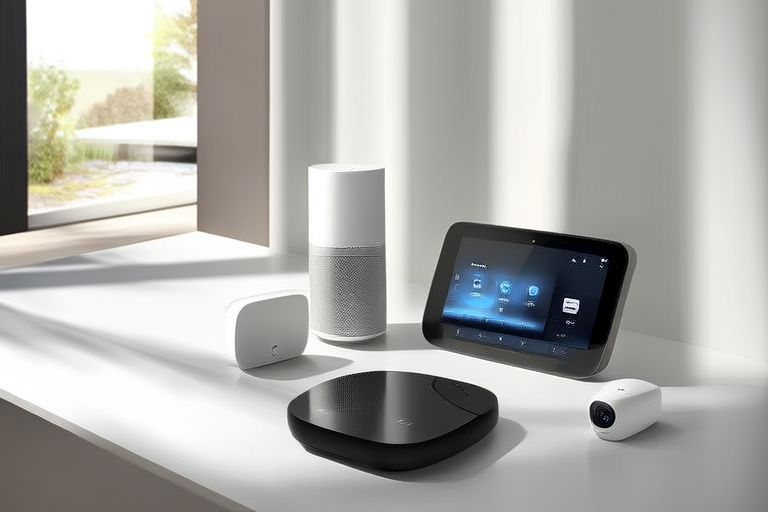

Maximizing Convenience: A Deep Dive into Modern Smart Home Solutions
Introduction
The concept of smart homes has gained significant traction in recent years, transforming the way we live and interact with our surroundings. A smart home integrates various technologies and devices to create an environment that enhances convenience, comfort, and security. These solutions leverage the power of automation, connectivity, and intelligence to streamline daily tasks and improve overall quality of life.
Smart home technology offers numerous benefits, including energy efficiency, improved accessibility, enhanced security, and remote control capabilities. By automating routine tasks and providing real-time insights, smart homes help users lead more efficient and enjoyable lives. This article delves into the key components of smart homes, their benefits, challenges, and future trends, offering a comprehensive overview of this rapidly evolving field.
Key Components of Smart Homes
Smart Lighting
Smart lighting systems offer advanced features that go beyond traditional light switches. With voice control, scheduling, and energy-efficient bulbs, these systems provide unparalleled convenience. Users can adjust the brightness, color, and even simulate natural daylight to set the right ambiance for any occasion. Additionally, smart lighting can be programmed to turn on or off at specific times, ensuring energy efficiency and reducing electricity costs.
Smart Thermostats
Programmable thermostats are a cornerstone of smart home technology, optimizing heating and cooling based on occupancy and weather conditions. These devices learn user preferences over time, automatically adjusting temperatures to maximize comfort while minimizing energy usage. For instance, a smart thermostat can detect when no one is home and lower the temperature, saving money on heating and cooling bills. Moreover, users can control their thermostats remotely via smartphone apps, ensuring optimal climate control even when away.
Security Systems
Modern security systems incorporate a range of smart devices to provide enhanced protection and peace of mind. Smart locks, cameras, motion sensors, and doorbells are just a few examples of the advanced features available. These devices can be integrated into a central hub, allowing users to monitor and control them through a single interface. For example, a homeowner can receive alerts on their phone if someone attempts to enter their home or if unusual activity is detected. Such systems not only deter intruders but also offer valuable insights into daily household activities.
Home Automation
Central hubs play a crucial role in home automation, enabling seamless control of multiple devices from a single interface. Smart plugs, for instance, allow users to remotely switch appliances on or off, ensuring energy efficiency and convenience. Integrated systems further enhance functionality by coordinating various devices, creating a truly interconnected smart home. For example, a user can set up scenes where turning on a light automatically triggers the thermostat to adjust the temperature, creating a personalized and efficient living environment.
Voice Assistants
Voice assistants like Amazon Alexa, Google Assistant, and Apple Siri have become indispensable tools for interacting with smart devices. These virtual helpers enable hands-free operation, making it easier than ever to control lights, adjust thermostats, and check security cameras. Voice commands can be used to perform complex tasks, such as setting reminders, playing music, or even ordering groceries. As these assistants continue to evolve, they promise to offer increasingly sophisticated and intuitive interactions, further enhancing the smart home experience.
Benefits of Smart Home Technology
Energy Efficiency
One of the most significant advantages of smart home technology is its ability to reduce energy consumption and lower utility bills. Smart thermostats, lighting systems, and appliances work together to optimize energy usage, ensuring that resources are utilized efficiently. For example, smart lighting can be programmed to dim or turn off when not needed, while smart appliances can be scheduled to run during off-peak hours when electricity rates are lower. These small adjustments can add up to substantial savings over time.
Convenience and Accessibility
Smart home technology simplifies everyday tasks, making life easier and more accessible for everyone. Voice-controlled devices allow users to perform tasks without lifting a finger, ideal for individuals with mobility limitations. For example, a person with limited dexterity can control lights, doors, and other devices using voice commands. Additionally, smart home systems can be customized to meet individual needs, enhancing accessibility and improving overall quality of life.
Enhanced Security
Smart home devices play a vital role in protecting against intruders and monitoring home activity. Security cameras, motion sensors, and smart locks provide real-time insights and alerts, helping users stay informed about what’s happening in their homes. In case of an emergency, these systems can notify authorities or send alerts to designated contacts, ensuring prompt action. Furthermore, many smart home security systems come equipped with facial recognition and advanced analytics, offering unprecedented levels of protection.
Remote Control
Remote control capabilities allow users to manage their smart home devices from anywhere, providing flexibility and convenience. Whether it’s adjusting the thermostat, checking camera feeds, or locking doors, users can access their smart home systems via smartphones or tablets. This feature is particularly useful for individuals who work from home or travel frequently, ensuring that they can maintain control over their living environment even when away. Remote access also enables family members or caregivers to assist with daily tasks, fostering a sense of connection and support.
Challenges and Considerations
Privacy Concerns
As with any technology that collects and transmits data, smart home devices raise privacy concerns. Users must be vigilant about securing their networks and protecting personal information. To mitigate risks, it’s essential to choose reputable manufacturers and keep software updated. Additionally, users should review privacy settings and limit the amount of data shared with third parties. By taking proactive measures, homeowners can enjoy the benefits of smart home technology while safeguarding their privacy.
Compatibility Issues
Device compatibility and interoperability are critical considerations when building a smart home. Different brands and platforms may not always work seamlessly together, leading to fragmented experiences. To ensure a cohesive system, users should opt for products that are part of established ecosystems or certified for compatibility. Alternatively, central hubs can serve as intermediaries, facilitating communication between disparate devices. By prioritizing compatibility, homeowners can avoid frustration and maximize the functionality of their smart home investments.
Cost and Installation
The initial investment required for smart home technology can vary depending on the scale and complexity of the system. While some devices, such as smart plugs and light bulbs, are relatively affordable, more advanced systems like security cameras and thermostats may carry higher price tags. However, the long-term cost savings associated with energy efficiency and reduced utility bills can offset these expenses. Additionally, professional installation services are available for those who prefer not to tackle the setup themselves. It’s important to weigh the upfront costs against the potential benefits before embarking on a smart home project.
Future Trends in Smart Home Technology
Emerging Trends
The future of smart homes is poised to be shaped by advancements in artificial intelligence (AI), machine learning (ML), and the Internet of Things (IoT). Predictive maintenance, for example, could enable devices to anticipate and address issues before they become problems, reducing downtime and increasing reliability. Adaptive environments could further personalize the living experience, adjusting lighting, temperature, and entertainment options based on user preferences and behaviors. More intuitive interfaces, such as gesture control and augmented reality, promise to make smart home interactions even more seamless and immersive.
Potential Innovations
Innovations like predictive maintenance, adaptive environments, and more intuitive interfaces are expected to revolutionize the smart home landscape. Predictive maintenance could extend the lifespan of devices by identifying potential issues before they occur, while adaptive environments would tailor the home experience to individual preferences. Additionally, more intuitive interfaces, such as gesture control and augmented reality, could enhance the user experience, making smart home interactions more natural and engaging. These advancements hold the promise of creating smarter, more responsive, and user-friendly living spaces.
Conclusion
This article has explored the key components, benefits, challenges, and future trends of smart home technology. From smart lighting and thermostats to security systems and voice assistants, these solutions offer numerous ways to enhance convenience, energy efficiency, and security. While there are challenges to consider, such as privacy concerns and compatibility issues, the potential rewards far outweigh the risks. As smart home technology continues to evolve, it promises to deliver increasingly sophisticated and intuitive experiences. We encourage readers to explore the benefits of integrating smart home solutions into their daily lives and embrace the future of connected living.